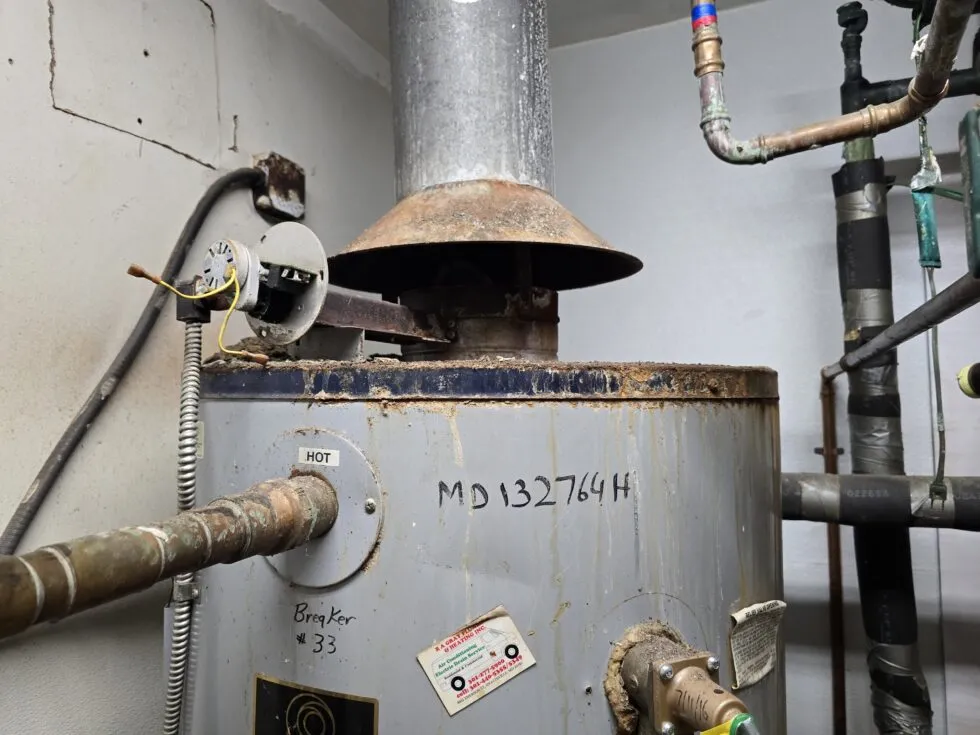
Water Heater Installation 20851 Rockville
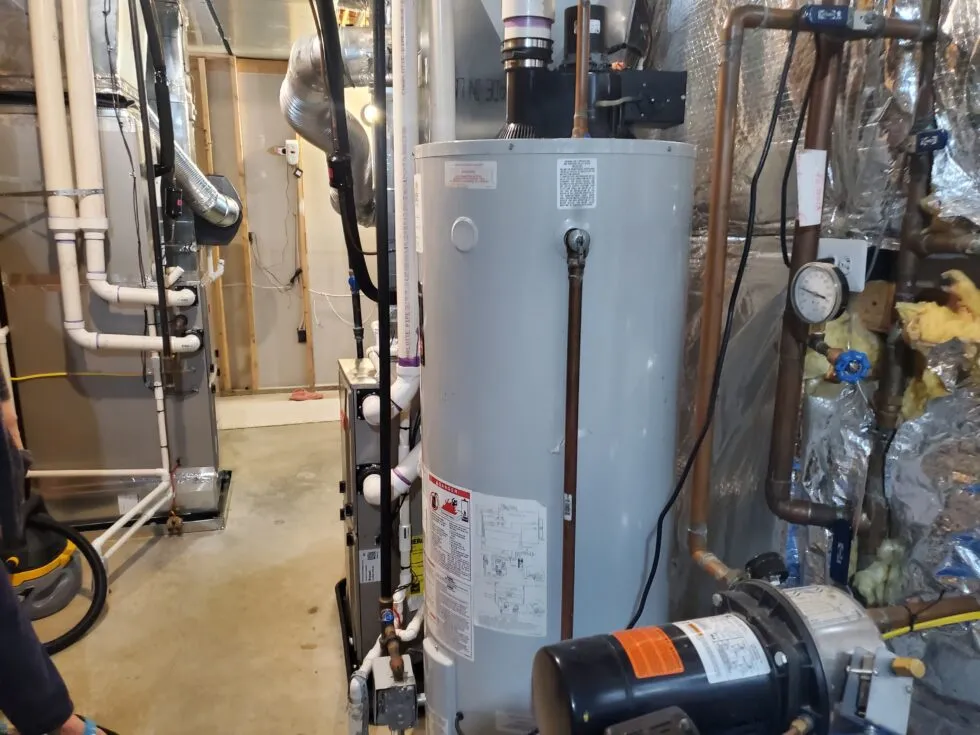
Water heater insTALLATION Rockville 20851
Durance Plumbing specializes in water heater installation Rockville 20851 homeowners and businesses rely on. With a focus on quality and efficiency, our licensed plumbers serve the entire 20851 zip code area in Rockville, MD. Their range of services includes:
- Water Heater Installation zip code 20851
Durance Plumbing provides installation for a variety of water heater types, including gas, electric, and tankless models. They work closely with clients to recommend the best water heater solution based on household needs, energy efficiency, and budget. Their licensed and certified technicians ensure that all installations comply with local codes and regulations, particularly those set by the Washington Suburban Sanitary Commission (WSSC). - Water Heater Repair and Maintenance
Durance Plumbing handles all types of water heater repairs, from minor fixes to extensive maintenance. We troubleshoot common issues such as water temperature problems, leaks, and pilot light failures in gas models. Their maintenance services include flushing the tank, checking anode rods, and ensuring optimal performance, which helps extend the lifespan of the water heater and prevents unexpected breakdowns. - Upgrades and Energy-Efficient Solutions
For homeowners interested in energy-saving solutions, Durance Plumbing provides options like high-efficiency gas water heaters and tankless water heaters. These models are designed to reduce energy consumption and save on monthly utility bills, offering a more sustainable option for hot water needs. - Emergency Services
While Durance Plumbing’s regular hours are from 8 AM to 5 PM on weekdays, they prioritize urgent water heater issues during business hours, particularly those related to leaks or lack of hot water. - Consultation and Replacement
In cases where repair costs outweigh the benefits or the water heater is nearing the end of its lifespan, Durance Plumbing offers consultation services to guide clients through replacement options. They help select a model that suits the household’s demands and ensure a smooth transition with minimal disruption.
Areas Served
Durance Plumbing provides water heater installations in 20851. Their services are available to both residential and commercial clients, and they are licensed by WSSC, adding an extra layer of reliability for clients in the Washington, DC area.
Commitment to Quality and Customer Satisfaction
Durance Plumbing’s approach centers on customer satisfaction, with transparent pricing, efficient scheduling, and a commitment to quality workmanship. They do not offer free estimates or financing but focus on providing fair, detailed assessments and recommendations based on each client’s specific needs.
For further details or to schedule a service, customers can reach Durance Plumbing by phone at (301) 270-6663 or via email at info@duranceplumbing.com.
Why Choose Professional Water Heater Installation in Rockville 20851
When it comes to water heater installation in Rockville 20851, hiring a licensed and certified plumber makes all the difference. Improper installation can lead to safety hazards, voided warranties, and costly repairs down the line. Durance Plumbing’s technicians are fully licensed and comply with all local building codes and Washington Suburban Sanitary Commission (WSSC) regulations, ensuring your new water heater is installed safely and correctly the first time.
Homeowners in the 20851 zip code area can benefit from a wide range of water heater options. Whether you need a traditional tank water heater or a modern tankless system, our team will help you select the most energy-efficient model that fits your home size and hot water demands. According to the U.S. Department of Energy, tankless water heaters can be 24-34% more energy efficient than conventional storage tank models, which means significant savings on your monthly utility bills.
Our water heater installation process in Rockville 20851 includes a thorough assessment of your existing plumbing system, proper sizing of the new unit, safe removal and disposal of the old water heater, and a final inspection to ensure everything is working correctly. We also provide a walkthrough so you understand how to operate and maintain your new system for maximum longevity.
Signs You Need a New Water Heater
If your water heater is more than 10-15 years old, produces rusty or discolored water, makes unusual rumbling or popping noises, or can no longer keep up with your hot water demands, it may be time for a replacement. Scheduling a professional water heater installation in Rockville 20851 with Durance Plumbing ensures a seamless transition to a more reliable and energy-efficient system. For more information on energy-efficient water heaters, visit the U.S. Department of Energy’s water heater guide at energy.gov.