Did you know? Indoor plumbing first became available in more developed areas of this country during the end of the 19th century. The water closet and drainage system used to create this was oddly enough created by Thomas Crapper. That is where the slang for the word bathroom comes from.Can you imagine how our daily lives would be affected in the Washington-Baltimore corridor area without modern toilets and plumbing systems? We’d have Out houses in the back yard…btw – it’s a matter of fact, that some still can be found in the southern Maryland area? How often would we need to move and fill them. I don’t think apartment buildings or condos would be allowed, because of the possible waste water and sewage disposal and contamination issues. And lets not forget the lack of hot running water. There would be no modern appliances like washing machines, hot water heaters and dishwashers. I don’t think we as a people could have become so advanced without modern plumbing, do you? And lets not forget about the piping for gas, that we use to heat our homes, cook our food and heat our water. Today we should remember and be thankful for Mr. Thomas Crapper, the modern day plumbing system and all the plumbers and technicians who maintain and care for it.
The following infographic gives you tips on how to conserve water outdoors during the hot summer months. For instance, did you know that a 20 minute watering of the average lawn can use more water than taking 130 showers?..Now that’s a lot of water. Feel free to share this with your neighbors and friends.
Not all plumbing companies are created equally, and before you choose a plumbing company for your next project you should read this:
There are basically two types of plumbing companies: small-scale family-owned plumbing companies, and larger-scale oriented corporations.
The large companies are usually well known because of their catchy radio ad jingles, tv commercials and newspaper and direct mail advertisements. This is one of the primary reasons they are generally more expensive than the smaller mom and pop plumbing company.
Corporate plumbing companies tend to be more expensive also because their plumbers and technicians work on commission — and that encourages them to oversell you on goods and services that you may not actually need. In essence, many corporate plumbers are salesmen whose first priority isn’t fixing your clogged drain for the lowest price possible — it’s improving their employer’s bottom line.
Many times when you’re gathering estimates for a particular project their prices will be twice the price of a smaller company. They may even show you their price book, to show you that they aren’t overcharging you!
Don’t be fooled. A plumber’s price book only tells you what his company charges; every company’s book is different.
Commission-based sales aren’t the only reason larger corporate plumbers are more expensive. They also have to deal with overhead issues that smaller family-run businesses don’t, like maintaining large truck fleets and paying for worker’s comp insurance.
The next time you’re looking to find the right plumber at the right price, be sure to follow these tips:
1.When possible, get references. Nothing beats a word-of-mouth recommendation. Before getting any contractor estimates, make sure to ask your friends and neighbors if they have a preferred plumber.
2. Get a minimum of three estimates. Knowledge is power, so always get at least three estimates before agreeing to have any work done. Otherwise, you may end up paying a lot more than you need to.
3. Avoid plumbers who advertise on radio and television. Those ads cost big money. That means higher prices for you. Speaking of ads:
Beware of misleading ads. Larger plumbing corporations often use website and phone book ads featuring a random family photo to give the impression that their company is a small family-owned business.
Focus on small family-owned plumbing businesses. Smaller family-owned businesses have lower overhead, and they usually pass the savings on to their customers. They also don’t work on commission — so you’re less likely to be oversold on services you don’t need. Typically smaller advertising budgets also make self-employed plumbers more dependent on repeat business and word-of-mouth, so customer satisfaction is paramount.
4. Ensure your plumber has a contractor’s license. Licensed contractors are required to complete work in compliance with state mandated procedures that are designed to protect us from shoddy workmanship and potential serious health issues resulting from improper plumbing practices.
5. Check out your state contractor’s web site to verify the status of any licensed plumbing company, including any registered complaints and ownership details.
6. Get an itemized parts estimate and then comparison shop. Plumbers usually get their parts from wholesale outlets not open to the general public. The parts are usually comparable in price — but sometimes they’re not.
7. Coupons and discounts don’t guarantee competitive prices. Plumbers will often try to lure you in with coupons or the promise of a price discount.
8. Schedule work on weekdays. Plumbers charge a premium for working weekends, holidays, and after hours, so avoid those times if you can.
9. Be certain that you’re getting a licensed plumber for your project some larger companies use Apprentices and/or technicians and charge you as if they’re licensed and certified professional plumbers.
10. Check out the Washington Suburban Sanitation Commission’s website for a list of plumbers in your area that are licensed and certified to perform plumbing services in our area. http://www.wssc.com
Just remember, no matter when you schedule your plumber, tell him to keep his price book in the truck.
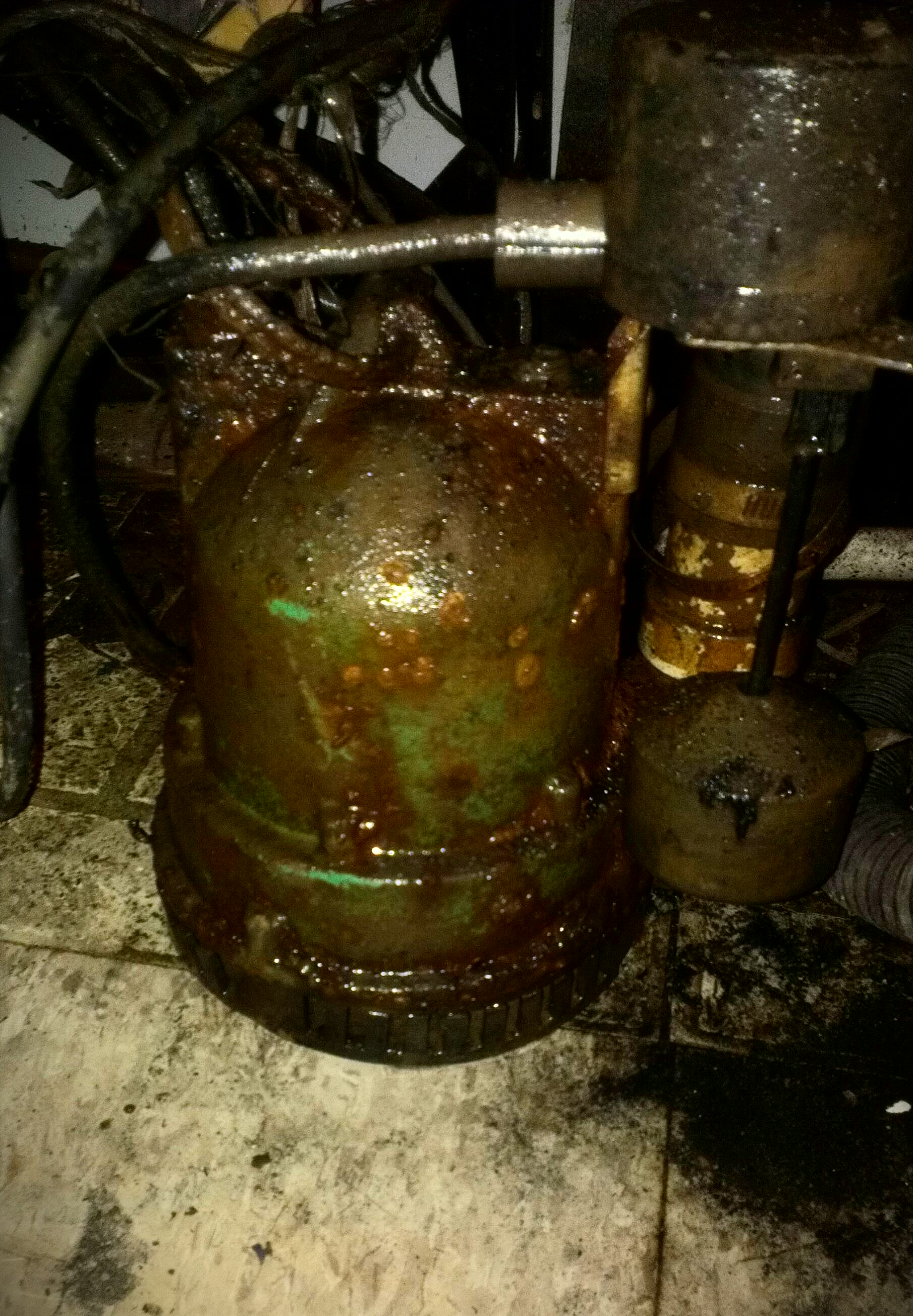
Most basements in the Washington DC-Baltimore, Maryland area have a sump pump. Our area generally gets a lot of rain in the spring and summer months and our fair share of winter snow and ice. Sump pumps are the first line of defense to keep water out of your basement and to protect your possessions from excessive water damage.
That’s why we(Durance Plumbing) recommend that you check your sump pump at least once a year to be sure that all the components are intact and the pump doesn’t show any extraordinary wear. A basement sump pump should always be covered, not only to keep debris from falling into it, but to keep radon and bad odors from entering your home.
What You Should Look For When Inspecting Your Sump Pump?
First you want to determine if the well is dry, if not it may mean that your pump is not working properly.
Secondly you want to check for any debris that may have fallen into the well, it should be cleaned out.
You also want to test the pump by adding water to to the sump to make sure the float works properly and that the motor is not running abnormally.
You then want to make sure that the check valve is working and that the pump drains the well quickly.
You also may want to consider adding a water sensor to the sump pump to notify your security system if water starts to overflow the sump well. Contact your security sytem company to have one installed.
At times, we may recommend an increase in the horsepower rating of your current sump pump, particularly if it’s determined that the current model is not doing an efficient job of getting the water out and away from your home.
If your sump pump failed during hurricane Sandy and you need it replaced, contact the Durance Plumbing professionals at (301) 270-6663. Our experts can evaluate, replace or repair your sump pump. If you haven’t checked your sump pump in a while, don’t hesitate any longer, because if there’s one thing you can be assured of is that’s it’s going to rain again!
HAVE YOU RECEIVED A NOTICE FROM THE WASHINGTON SUBURBAN COMMISSION TO TEST YOUR BACKFLOW DEVICES?
If so, this video explains the process to take to remain in compliance.
DURANCE PLUMBING IS LICENSED BY THE WSSC TO TEST, REPAIR AND REPLACE ANY BACKFLOW DEVICE. WE ARE WSSC APPROVED TO REGISTER BACKFLOW TEST RESULTS ON THE WSSC WEBSITE.
For more information Contact WALTER DURANCE – Phone Number: 301-270-6663
MASTER PLUMBER AND CERTIFIED BACKFLOW TESTER WSSC #71643
Some plumbing problems you just can’t avoid, due to faulty materials, poor installation, or simple wear and tear over time. However, there are ways to prevent clogged drains in your home or business by being careful never to allow certain materials to enter into the system. Therefore Durance Plumbing believes certain plumbing problems can be avoided by taking proper precautionary measures.
Following are some basic techniques to save yourself from unnecessary spending and unwanted plumbing headaches:
One of the simplest plumbing problems – and easiest to prevent – is that of clogged drains. How do you keep from blocking up your plumbing in such a way?
Here are three ways to prevent clogged drains:
Use Drain screens. These are very simple little contraptions that can go a long way in protecting your drains from clogs. Drain screens are exactly what they sound like: screens that cover your drains. They are generally made of metal or plastic, and can be found in any chain retail, hardware, or home improvement store. Simply place the drain screen over the drain to block hair and soap scum from drains, and be sure to clean the screens frequently.
Boiling water. Even if your drains don’t become clogged with things like hair and other debris, you can bet that there is a collection of buildup from things like soap scum, water calcium, and other substances that grow on each other to form a nasty, mucky build up. One of the best, most simple, ways to clear out this buildup and keep drains free and clear of clogs is to pour boiling water down your drains once every week. Simply heat a pot of water on the stove to boiling, and then slowly pour it down each drain.
Be careful of what you allow into your drain. Even the smallest things, like hairs, sand, and food remnants, can work together over time to create some major drainage problems. Pay close attention to what you are allowing down your drain, and use a screen, stopper, and/or drain filter whenever necessary. Also, you should never pour hot grease down a drain. That grease may be in liquid form while it is hot, but it will harden when it cools and could very easily stick to your pipes and clog your drain. *And as an added warning for the fall season…We want to remind everyone to never ever dump pumpkin guts down your drains or you risk clogged pipes.The seeds are hard and we’ve seen them jam garbage disposals. It can also clog toilets and should not be flushed. Flushing could cause problems further down in the sewage system. The guts are also stringy and slimy and cause other stuff to attach and stop up the drain. Sometimes, there’s so much it won’t even make it around the turn of the trap.
Your home’s plumbing is a major investment, and one that you will need to last for many years to come. Don’t take any chances with faulty plumbing materials or installation. Put all of your plumbing needs in the hands of competent, locally owned, trustworthy professionals like us, Durance Plumbing.
We can be reached by telephone at 301-270-6663, or via email: Kirk@DurancePlumbing.com.